
RESET: the Care Cove curriculum
Five daily habits, one goal. RESET sits on top of qualified teaching in English, maths, science and IT, and every learner has an hour of therapy each week.
The aim is simple: young people who are calm enough to learn, ready to go back to school, and able to manage their own focus, sleep and phones for life.
Choose a letter to explore each pillar.
- Qualified teachingEnglish, maths, science and IT, planned and led by teachers with QTS
- Therapy every weekOne hour a week with a counsellor for every learner
- Warm, strict adultsTrauma-informed relationships: warm and firm at once
Five pillars, and a thread through all of them
Half of every day is RESET personal development. Each pillar has daily routines learners can name, and the Future thread runs through them all. Together they cover careers, social and emotional learning and behaviour, independence and financial wellbeing, and PE.
Pillar 1 of 5
Respect
Respect for yourself, for everyone here and for this place.
Daily routines learners can name
- Respect Code
- Repair the harm
- Space Keepers
What learners learn
- Managing anger and conflict
- How the body reacts under threat
- Healthy relationships, consent and boundaries
- Misogyny and gender stereotypes
- Discrimination and the law
- Rights, the police and the courts
- What community means
How they practise it
- A Respect Circle every week
- Restorative conversations
- Space Keeper jobs
- A community project each year
What it covers
- Social and emotional learning and behaviour
- Relationships and sex education
- Citizenship and British values
RESET lives inside the timetable
Short routines are built into every part of the day, so no teaching time is lost. Choose a part of the day to see what happens.
- in the school day, 09:15 to 15:45
- 6.5hoursin the school day, 09:15 to 15:45
- of curriculum
- 5.5hoursof curriculum
- of core subjects with qualified teachers
- 3hoursof core subjects with qualified teachers
08:45 to 09:15 · 30 minutes
Arrive (before the school day)
Doors open at 08:45, before the school day starts at 09:15. Phones go into the dock at reception. Breakfast. A check-in where each learner scores their mood, their energy and last night's sleep from 1 to 5. Then a two-minute breathing "land" before the first lesson.
RESET in this part of the day
- Tech mastery
- Energy
- Stillness
Try the morning check-in
Score each one from 1 (low) to 5 (great). Nothing is saved.
Doors open at 08:45, before the school day starts at 09:15. Phones go into the dock at reception. Breakfast. A check-in where each learner scores their mood, their energy and last night's sleep from 1 to 5. Then a two-minute breathing "land" before the first lesson.
RESET in this part of the day
- Tech mastery
- Energy
- Stillness
Try the morning check-in
Score each one from 1 (low) to 5 (great). Nothing is saved.
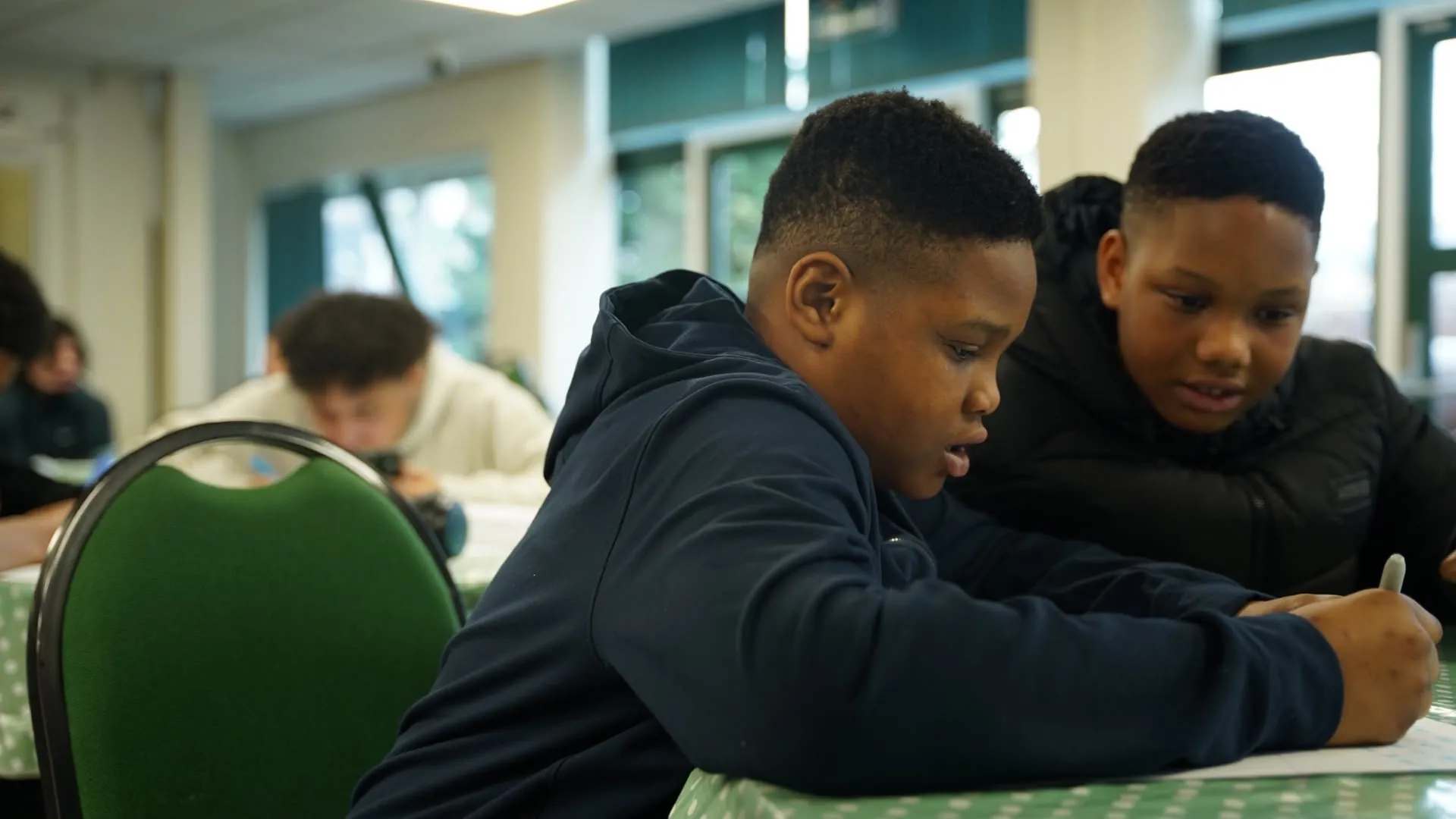
A Reset Minute to open, then a written "one thing" goal on a clear desk. Work runs in Focus Sprints with an analogue timer, starting at 10 minutes and building to 25, with short movement breaks in between.
RESET in this part of the day
- Stillness
- Effort
Focus Sprints
One task, a clear desk and an analogue timer. Sprints start at 10 minutes and build to 25 as focus grows.
- 10 min
- 15 min
- 20 min
- 25 min
Short movement breaks in between.
Outside where possible. No phones. Board games, chess and cards inside.
RESET in this part of the day
- Tech mastery
Phones stay in their lockers
So breaks are for talking, playing and fresh air. The Unplugged Club has:
- Chess
- Cards
- Board games
- Drawing
- Music
The same shape as the first block: a Reset Minute to open, then Focus Sprints with short movement breaks.
RESET in this part of the day
- Stillness
- Effort
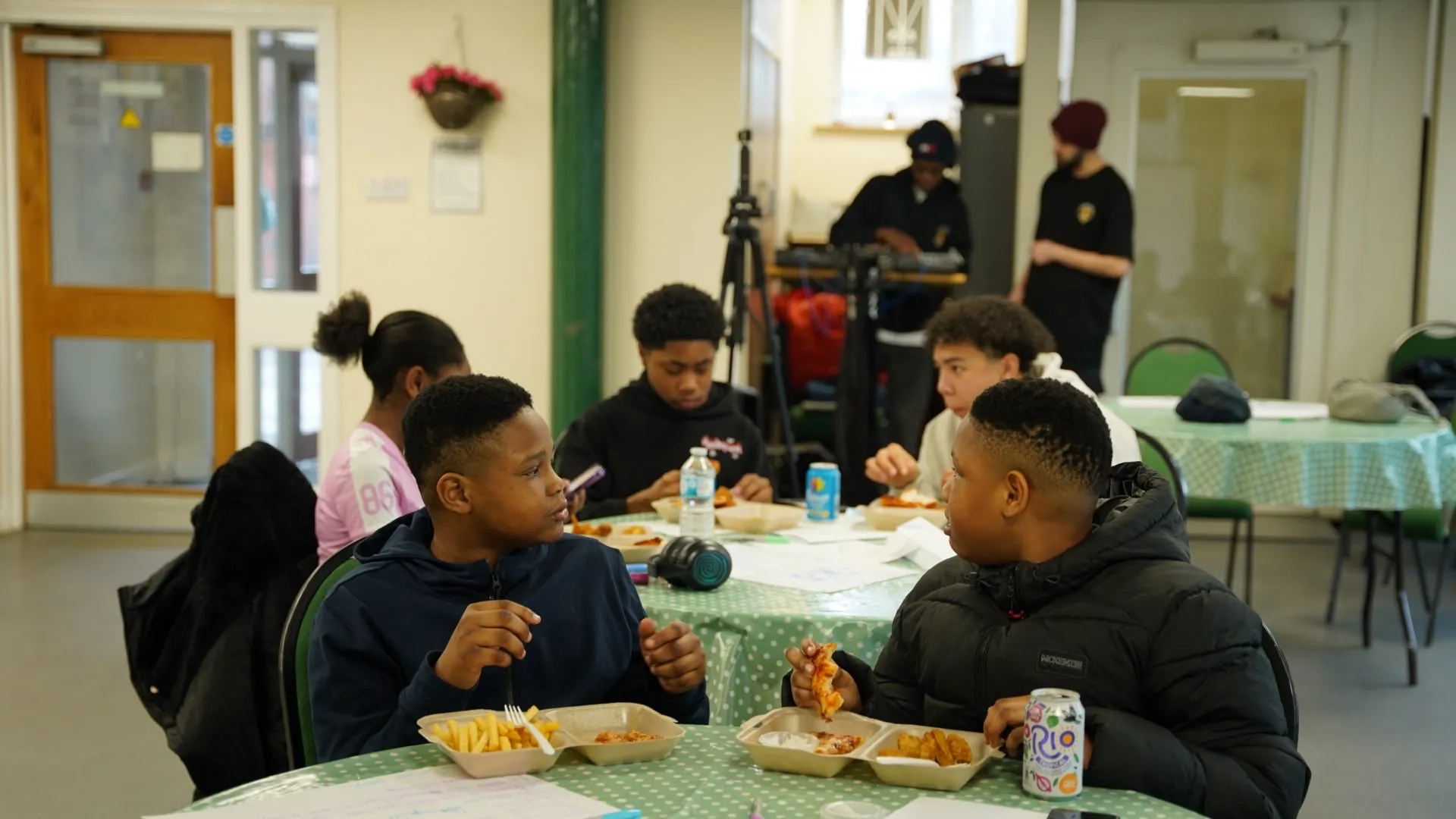
A hot meal, cooked fresh and eaten together with staff. Everyone has a table job, there is a conversation question on the table, and everyone clears their own place.
RESET in this part of the day
- Energy
- Respect
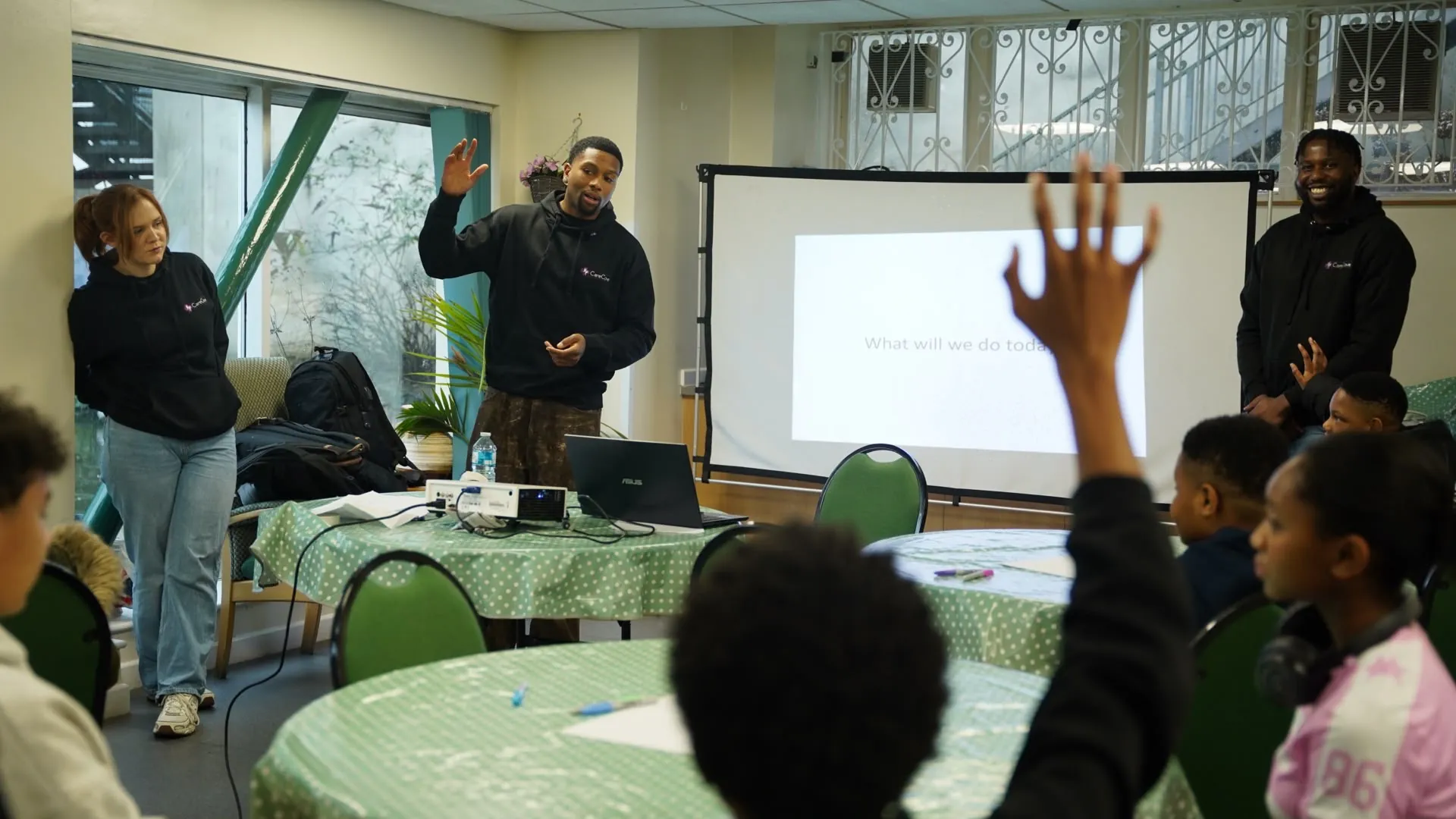
The learner whose turn it is sees their counsellor. Everyone else is in the RESET personal development lesson for this half term's theme.
RESET in this part of the day
- Respect
- Stillness
- Future
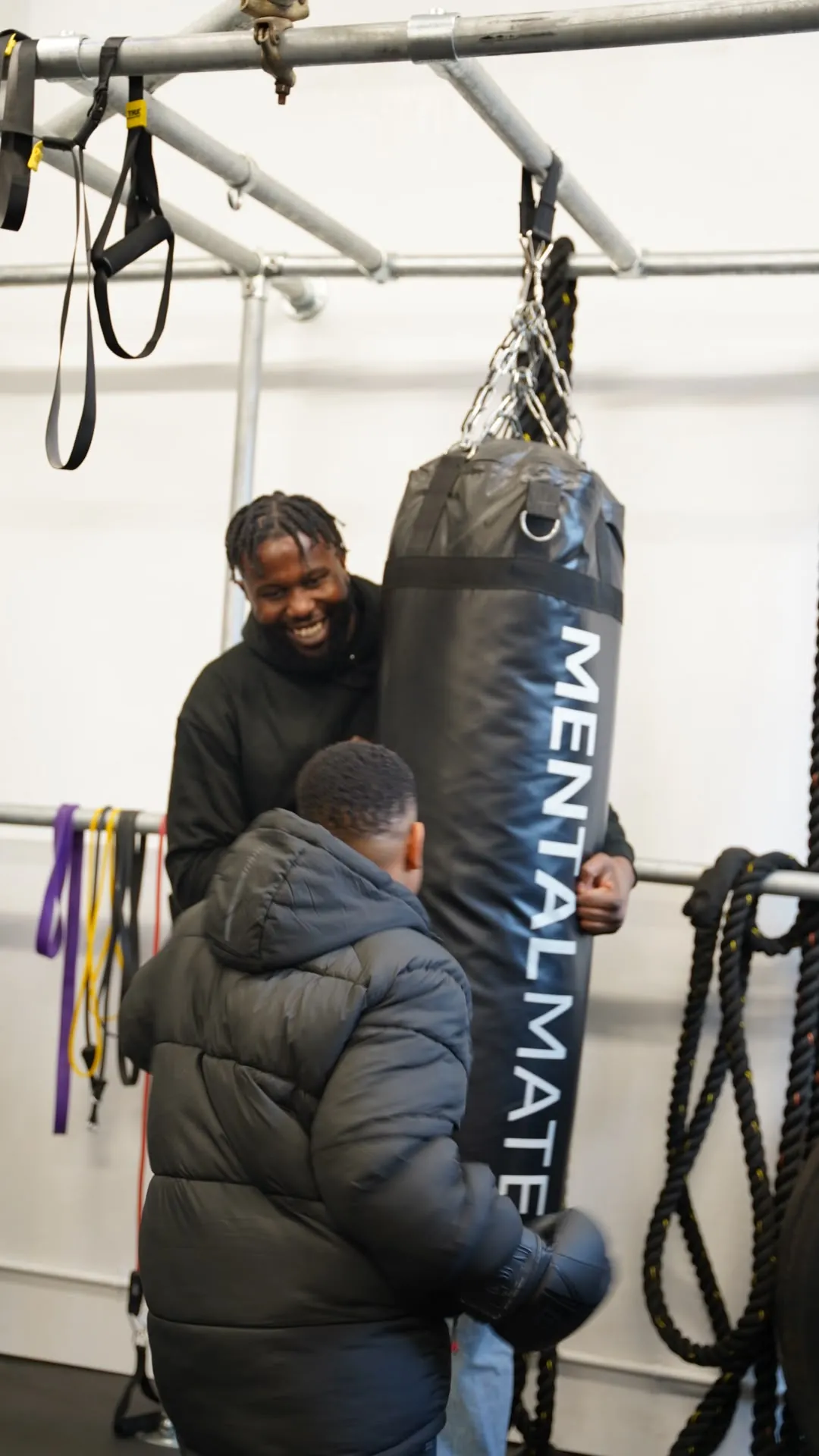
Physical literacy through PE and outdoor learning: boxing fitness (non-contact pad work), basketball, bouldering at Pound's Park, and walks to the Peace Gardens or the Winter Garden. Vocational tasters slot in here too.
RESET in this part of the day
- Energy
- Respect
Outside where possible. No phones. Board games, chess and cards inside.
RESET in this part of the day
- Tech mastery
Phones stay in their lockers
So breaks are for talking, playing and fresh air. The Unplugged Club has:
- Chess
- Cards
- Board games
- Drawing
- Music
The Brain Dump journal, a quick review of today's targets, and tonight's sleep plan. Then the "Leave it better" tidy, and phones back at the door.
RESET in this part of the day
- Stillness
- Effort
- Respect
Brain Dump journal
Three lines, every day, to clear the head before home time.
- 1. What went well
- 2. What's on my mind
- 3. My one thing for tomorrow
The core blocks rotate, so every learner gets equal maths and English, and equal science and IT, across a fortnight, whether they come two or three days a week.
English, maths, science and IT, with a reason to learn them
Core subjects follow the National Curriculum, are planned and led by teachers with QTS, and start from each learner's baseline, so the work fills gaps rather than repeating what failed. RESET gives the content a reason: learners study their own brains, sleep, food and phones.
English: A real question to argue
Should energy drinks be sold to under 16s?
What we cover
National Curriculum, Key Stage 3
- Reading a wide range of fiction and non-fiction, poetry and drama, including Shakespeare
- Writing for different purposes and audiences
- Grammar and vocabulary
- Spoken English: speeches, debate and discussion
How RESET makes it real
Learning about their own lives
- "My story so far": personal writing that feeds each learner's plan for the future
- Persuasive writing and speeches on real questions
- Spoken word and lyric writing
- Macbeth or Romeo and Juliet through performance: loyalty, conflict and consequences
- Journalism for a Care Cove newsletter
Where it leads
Qualifications at Key Stage 4
- Functional Skills English, Entry 3 to Level 2
- GCSE English Language, where it is right for the learner
How we teach, in every subject
- Trauma-informed practice
- Talk for Writing in English
- Now and Next boards
- SCERTS for communication needs
- Skills Builder
- Outdoor education
- Managed laptops with filtering and monitoring
Qualifications learners can work towards
Functional Skills
Recognised by colleges and employers
- English, Entry 3 to Level 2
- Maths, Entry 3 to Level 2
GCSEs
Where it is right for the learner
- English Language
- Maths (Foundation)
- Combined Science (Foundation)
- Computer Science
Science and digital
- Entry Level Certificate in science
- Essential Digital Skills
Life skills
- Working towards Level 2 Food Safety and Hygiene
- A Move Plan and dishes they can cook alone
Core planning maps to the current National Curriculum programmes of study. A revised National Curriculum is due to be published in 2027, and we will re-check every scheme of work when it arrives.
One theme each half term. Join at any stop.
Each theme links the core subjects to a pillar and ends in a real project. The cycle rolls, so a learner can join at any point, and a two-term placement covers four themes. Year 11 GCSE and Functional Skills work runs alongside.
After theme 6, round again to theme 1
Half term theme 1
Reset
- Respect
- Stillness
In the core subjects
- English
- Personal narrative, and introducing yourself out loud
- Maths
- Number fluency, and a 24-hour day as fractions and pie charts: sleep, school and screens
- Science
- The brain and nervous system
- IT
- How a phone and a computer work
RESET lessons
- The Respect Code
- Restorative circles
- First breathing practices
- Space Keeper training
End project
My Reset Plan
A poster plan of where I want to get to
Warm but strict
We hold high standards because we believe in these young people, and we hold them calmly. That is why there are no exclusions, no public telling off, and repair rather than punishment.
On the wall in every room
The Respect Code
Three promises, learned on day one and said back together at the end of each week.
I respect myself
I turn up and I try. I look after my body: breakfast, water, sleep, and no energy drinks or vapes on site. I speak about myself without putting myself down.
I respect everyone here
I listen when someone is speaking. No put-downs, no swearing at anyone, no filming or sharing anyone. I use people's names. I give everyone a fresh start each morning, and I get one too.
I respect this place
I leave every room better than I found it. I wash up what I use. I look after equipment, plants and other people's things. If I damage something, I help put it right.
When the Code is broken: the four Rs
Strict here means clear, consistent and predictable. Never loud, public or humiliating.
Reminder
A quiet, private word that names the promise.
“That's not respecting this place. Fix it, please.”
Reset
Time out of the room with an adult, in the regulation space, until the learner is calm enough to talk.
Repair
A restorative conversation the same day. Harm to a person is put right with that person. Damage to the building is put right with effort: cleaning, fixing, helping replace.
Review
A pattern goes to the weekly team meeting, the child plan and, where needed, the Team Around the Family. It never leads to exclusion.
Phones: off, docked, all day
Every phone goes into the learner’s own locker at reception when they arrive, and comes back at the door when they leave. That covers lessons, breaks and lunch. It is the routine mainstream schools now follow under the Department for Education’s mobile phones guidance, so a learner who masters it here is practising the routine they will go back to.
- Exceptions are planned: a medical need such as a glucose monitor, a disability adjustment or a young carer’s circumstances is written into the child plan, with limited use in a set place.
- Staff do it too: no personal phone use in front of learners.
- We never fight over a phone. If a learner will not dock it, their key mentor has a private conversation first. If that does not work, staff hold the phone at reception, we call home the same day and agree a plan with the family. A phone is never taken by force.
Space Keepers
Every learner holds a Space Keeper job each day they attend, on a rota. Looking after the building is part of respecting this place.
- HostWelcomes visitors and signs them in with staff
- Kitchen Crew
- Green TeamLooks after the plants and outdoor space
- Tech StewardMakes sure laptops are charged and stored
- Librarian
Leave it better. The last five minutes of every day: the whole group puts the building right before anyone goes home.
Energy you can feel
Many of our learners have stopped doing PE altogether. So we teach movement and food as fuel for the brain and the body, and we feed learners well every day, starting with breakfast on arrival.
Physical literacy
“Our relationship with movement and physical activity throughout life.”
The aim is not sporting talent. Every young person should leave with the confidence, skills and motivation to keep moving, and one activity they actually enjoy.
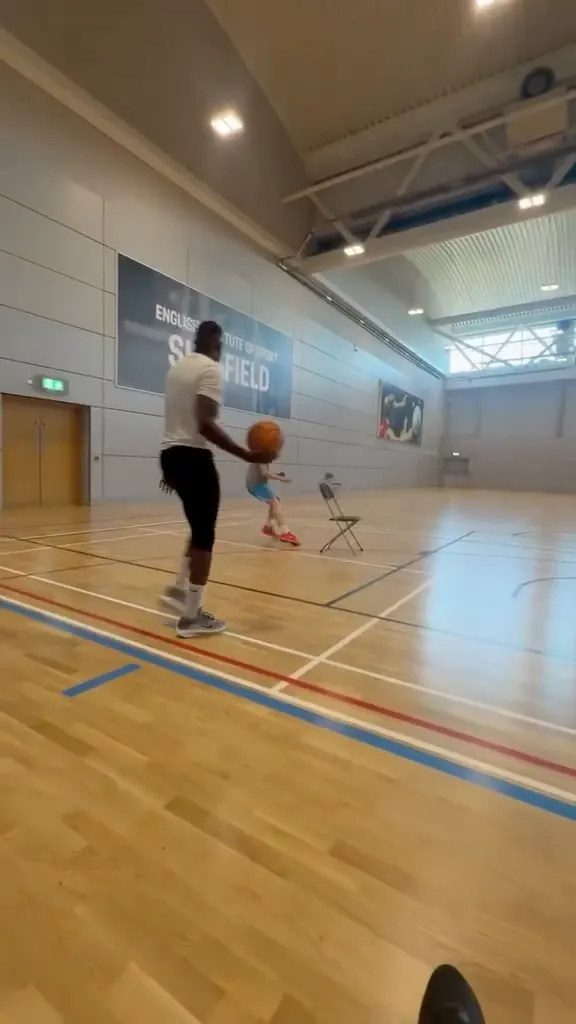
PE follows the National Curriculum: tactics in team and individual games, technique and personal bests, outdoor and adventurous activities such as bouldering and orienteering on city routes, movement to music when learners choose it, evaluating their own performance, and links to community sports clubs.
Every learner leaves with
A Move Plan
- One activity
- Something they actually enjoy
- A named place or club
- For example a local basketball club, a boxing gym or a weekly park run
- How to get there
- Worked out together before they leave
MovePhysical
Running, jumping, throwing, catching, balance, strength and coordination
How we build it: A daily Move session, boxing fitness pad work, basketball skills with community coaches, bouldering at Pound's Park, circuits and stretching
ConnectSocial
Playing fair, teamwork, trusting others, respecting coaches and opponents
How we build it: Team games, partner pad work, and coaching and refereeing younger players
ThinkCognitive
Tactics and rules, how training changes the body, planning their own session
How we build it: Comparing performance with last time, designing a 20-minute workout, and science links to the heart, lungs and muscles
FeelEmotional
Confidence, enjoyment and motivation, and using movement to manage mood
How we build it: Personal bests, not rankings. A choice of activity. Movement used to regulate, never as a punishment
Nutrition and cooking
Breakfast on arrival, and a hot meal cooked fresh on site every day to the School Food Standards. Lessons follow the cooking and nutrition part of the Key Stage 3 National Curriculum and link to science on diet and digestion.
Food is taught safely
We never talk with learners about weight, calories, dieting or “good” and “bad” foods, and nobody is weighed or measured. If a learner shows signs of disordered eating, our clinical adviser is involved before any approach is agreed. Cultural, religious, vegetarian, vegan and medical diets and allergies are catered for as standard.
On the menu
Food and nutrition
The Eatwell Guide
The main food groups, and what a balanced day of eating looks like
Building a balanced plate at Family Table, and helping plan the menu each half term
Food for focus
Why breakfast, water and steady energy help concentration, and what sugary and high-caffeine drinks do
Sleep Lab and Focus Sprint data, and the energy drinks debate
Reading labels
Traffic-light labels, sugar, salt and caffeine, portion sizes and marketing tricks
Maths lessons with real packaging, and supermarket price and label comparisons
Fuel for sport
Protein, carbohydrates and water for training, growth and recovery
Linked to the boxing and basketball sessions
Cooking from scratch
Mostly savoury dishes they can cook for themselves and others: knife skills, safe use of heat, seasoning, adapting recipes
Weekly cooking in our kitchen, and the Care Cove Cookbook
Shopping and budgeting
Planning a week of meals on a set budget, comparing prices and cutting waste
Real shopping trips, and money lessons
Food safety
Hygiene, allergens, and storing and reheating food safely
Working towards Level 2 Food Safety and Hygiene
Food and culture
Dishes from learners' own families and cultures
Learner-led recipes, and a family showcase meal
Short, practical and always chosen
Many of our learners have lived through trauma, and silence or closed eyes can feel unsafe. So mindfulness at Care Cove is short and practical, and nobody is ever made to do it.
- Practices last 60 to 90 seconds at first, and are never longer than 5 minutes.
- Eyes open is always fine. Learners choose their anchor: breath, feet on the floor, a sound or an object.
- Breathing comes before "meditation": a long out-breath, box breathing, five senses grounding.
- Nobody is made to take part, and stillness is never used as a punishment.
- Our counsellors review the practices, and any learner who becomes distressed is followed up the same day.
- After a few weeks, learners lead the Reset Minute themselves.
Something real to take back to school
The Calm Kit
Each learner builds a small personal kit to use in a mainstream classroom on a hard day.
A breathing card
A long out-breath, box breathing or five senses grounding, on a card that fits in a pocket.
A grounding object
Something small to hold that brings attention back to the room.
A playlist on paper
The songs that settle them, written down, so it works without a phone.
A trusted adult
The name of the person to go to on a hard day.
A breathing card. Trace the square with a finger: breathe in for four, hold for four, breathe out for four, hold for four. Eyes open is fine.
What you notice within an hour of walking in
Care Cove
RESET Passport
Badges earned by showing it
- Respect
- Energy
- Stillness
- Effort
- Tech mastery
The RESET Passport. Each learner earns a badge for every pillar by showing it, not just by turning up: five nights of 8 hours’ sleep logged, for example, or leading a Reset Minute. The passport goes with them to their next school, as a ready-made list of what works for them.
All 8 routines
Sleep Lab
EnergyA two-week sleep diary at the start of a placement and again later. Learners chart their own data in maths, explain it in science, and test one change: the phone out of the bedroom, or an earlier wake-up.
Why it matters: Turns sleep advice into an experiment the learner owns.
Digital Detox Challenge
Tech masteryAn opt-in weekend challenge, set with the family: the phone charges outside the bedroom, and no screens for the hour before bed. Reported at the next check-in, and celebrated.
Why it matters: The school day is already phone-free. This carries the habit home, where most screen time happens.
Unplugged Club
Tech masteryRespectChess, cards, board games, drawing and music at breaks and lunch.
Why it matters: Gives hands something to do when the phone is gone, and builds conversation.
Walk and Talk
StillnessRespectMentoring conversations on a walk to Devonshire Green, rather than across a desk.
Why it matters: Many young people talk more easily side by side.
Boxing fitness and basketball
EnergyRespectNon-contact pad work with our boxing coach, and basketball with community coaches.
Why it matters: Discipline, respect for the coach and the opponent, and a fitness routine they can keep.
Respect Circle
RespectOnce a week the group sits in a circle: what respect looked like this week, one shout-out each, and anything to repair.
Why it matters: Makes the Respect Code a shared habit rather than a poster.
Teach It Back
EffortStillnessEnergyLearners teach a breathing technique, a sleep fact or a recipe to a parent, a visitor or a new learner.
Why it matters: Teaching something is the strongest proof you have learned it, and it builds pride.
Focus Sprints
EffortTimed blocks of single-tasking with an analogue timer, starting at 10 minutes and building to 25.
Why it matters: Attention is something you can train, and the teacher records each learner's longest sprint, so they can see it grow.
RESET works at home too
Most phone use and almost all sleep happen at home, so RESET only works if families are in on it. We work with families as partners, never to tell anyone off.
Agreed at the welcome meeting
The Family Tech Plan
- Phones charge overnight outside the bedroom, as the NHS sleep service advises
- A wake-up time that stays within two hours on school days and weekends
- No screens in the hour before bed
Families choose the details, and we help them stick to them.
The weekly RESET postcard
“This week your child led the Reset Minute for the whole group.”
An example. Every week we name one specific thing your child did well against the Respect Code or a pillar.
Sleep and Screens workshop
Once a half term, over breakfast: how teenage body clocks work, and setting up screen time controls on the family's own phones.
Showcases
Families are invited to the end-of-theme projects: the cookbook meal, the spoken word showcase and Pitch Day.
No judgement
Parents struggle with their own phones too. Workshops are practical and friendly, and the Family Tech Plan can apply to the adults at home if the family wants it to.
How we know it is working
Alongside the standard measures, RESET adds simple ones of its own: sleep, screen time, focus, respect, mood, movement and food. That way we can show whether the approach works, and drop what does not.
Social, emotional and behavioural progress
Boxall Profile, and the SDQ completed by the learner and a parent
Boxall each half term, SDQ each term
Mood and energy
StillnessThe morning check-in scores
Daily
Respect
RespectRespect moments and repairs, and Space Keeper jobs done
Daily
Focus
EffortThe longest Focus Sprint completed, recorded by the teacher
Every core lesson
Screen time
Tech masteryWeekly screen time from the learner's own phone settings, shared at the first check-in of the week
Weekly
Sleep
EnergyThe learner's own sleep diary: hours and wake-up time
Two weeks at entry, then each half term
Physical literacy
EnergyThe learner's own rating of confidence, enjoyment and motivation to move, and personal bests
At entry, then each half term
Food and cooking
EnergyBreakfast taken, dishes the learner can cook alone, and food safety progress
Daily, and each term
Voice
Surveys of learners, parents and schools
Each half term, and when a learner leaves
We will review RESET itself at the end of its first full term, at Easter 2027: which routines learners rate, which measures moved, and what to change.
What the evidence says, and how we designed around it
Two of the big ideas behind RESET, mindfulness and phone bans, have weaker evidence than most people assume. So we built the curriculum to avoid the known traps rather than ignore them.
Sources include the MYRIAD trial, the University of Birmingham SMART Schools study, the Newcastle upon Tyne Hospitals NHS sleep service, the Education Endowment Foundation and the Skills Builder Partnership.
Mindfulness in schools
What the research found
The MYRIAD trial gave about 7,250 pupils aged 11 to 13 in 85 UK schools either ten mindfulness lessons or their usual teaching. It found no benefit over usual social and emotional teaching, little practice at home, and signs that pupils already at risk of mental health problems did worse.
How RESET responds
No long, one-size mindfulness course. Short, optional, eyes-open breathing and grounding, chosen by the learner, reviewed by our counsellors, led by learners over time, and measured.
Phone bans
What the research found
The SMART Schools study from the University of Birmingham (1,227 pupils in 30 English schools) found restrictive school phone policies on their own made no difference to wellbeing, sleep, attainment or behaviour. But pupils averaged 4 to 6 hours a day on phones, and more phone and social media time went with worse mental health, sleep, attainment and behaviour.
How RESET responds
The phone-free day is the start, not the whole answer. Tech mastery lessons, the Family Tech Plan and the Digital Detox Challenge target total use, including evenings.
Sleep
What the research found
Teenagers aged 13 to 18 need 8 to 10 hours. Screens before bed, too little daylight and afternoon caffeine all push sleep later (Newcastle upon Tyne Hospitals NHS sleep service).
How RESET responds
The Sleep Lab, time outdoors every day, no energy drinks on site, and devices charged outside bedrooms in the Family Tech Plan.
Teaching learners to manage their own learning
What the research found
Metacognition and self-regulation adds about eight months' progress, with strong evidence, and disadvantaged pupils are less likely to use these strategies unless they are taught them directly (Education Endowment Foundation).
How RESET responds
Focus Gym teaches plan, monitor and review step by step, inside every core lesson.
Essential skills
What the research found
The Skills Builder Universal Framework breaks eight essential skills into steps that learners can see themselves climb.
How RESET responds
Skills Builder steps sit in each learner's child plan.
Curriculum questions
Every learner's plan is their own.
Talk to us about a young person's needs, and we will show you how RESET and the core curriculum can work for them.